Nationality: French
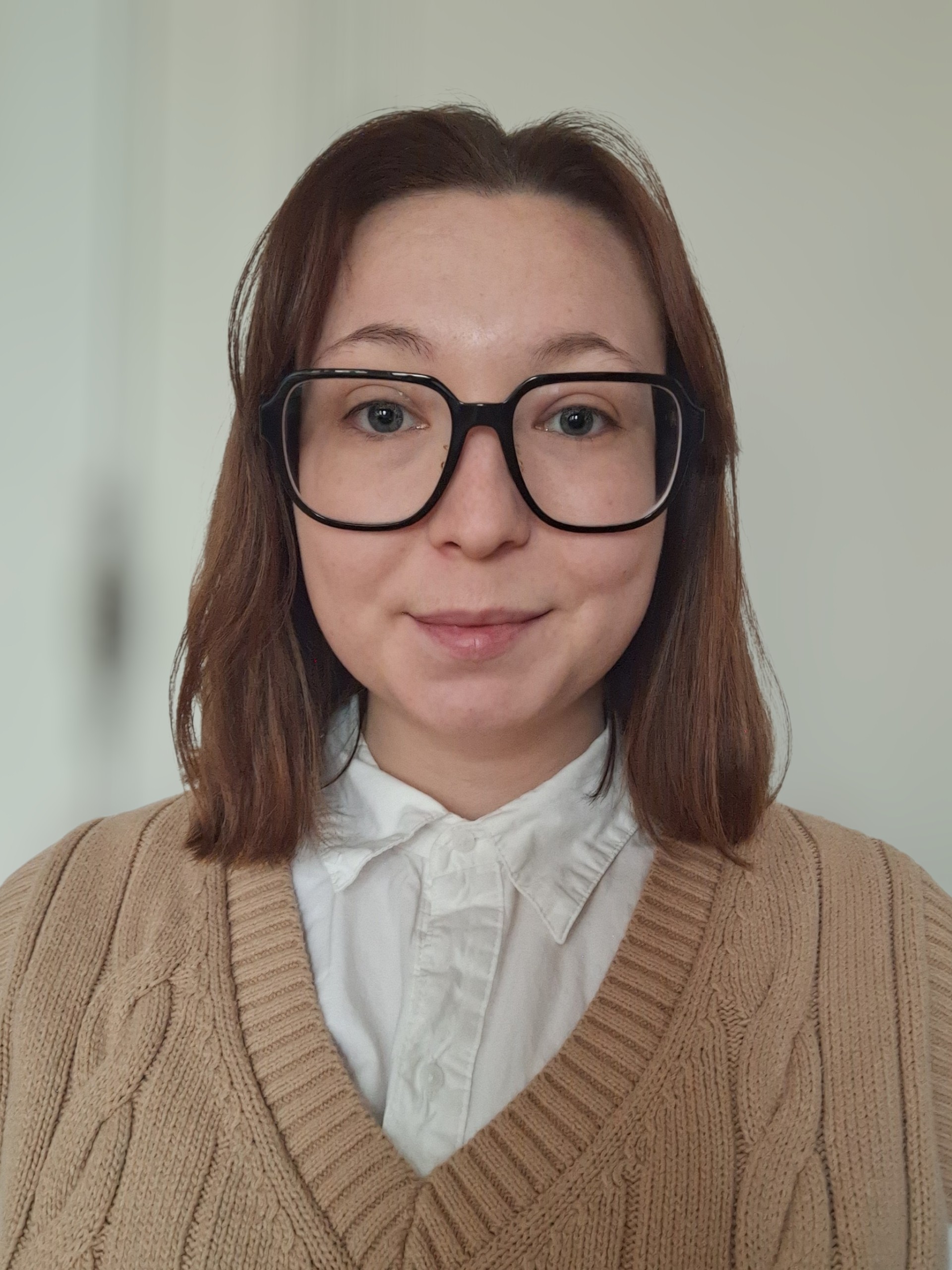
Background: I graduated in 2025 with a Master’s degree in Biomedical and Health Engineering from EPISEN in France. My training combines life sciences, including molecular biology, cell biology and physiology, with engineering disciplines such as programming, algorithmics and physics. I also developed a strong international background during my studies. Indeed, I had the opportunity to spend two semesters abroad at the University of Iceland (Iceland) and at the Université de Sherbrooke (Canada). I completed my Master’s thesis at Harvard Medical School/Boston Children’s Hospital in the United States.
My research interests: histone post-translational modifications (PTMs), PTMs, proteomics, phosphoproteomics, cancer
My PhD goals: The goal of my PhD is to develop mass spectrometry and proteomics approaches to characterize novel affinity binders for the detection and quantification of post-translational modifications in proteins and peptides, including methylated and phosphorylated species. The project also aims to identify and validate previously unexplored pools of cancer biomarkers, providing new insights into cellular signaling pathways involving post-translational modifications.
My hobbies: Running, reading, traveling
My project in MIPrecise: MIP based pan-specific or sequence specific enrichment of pHis, meHis and meLys PTMs and SRC SH2 binding biomarkers

Master thesis: Development of high-throughput methodology for the isolation and proteomics analysis of extracellular vesicles and exosomes from body fluids.
Plasma is an ideal material for proteomics due to its diverse protein content, reflecting physiological and pathological states, and its compatibility with minimally invasive sampling. However, deep proteomic profiling is often limited by the dominance of high-abundance proteins, which can mask low-abundance proteins, particularly those associated with extracellular vesicles (EVs). EVs are phospholipid-bound particles secreted by all cell types into the extracellular space, which cannot replicate on their own. They carry protein cargo that varies depending on their cell of origin, making them valuable biomarkers for diseases such as cancer, useful for monitoring disease progression, guiding treatment and assessing therapeutic response. This project aimed to develop a high-throughput method for EV isolation and proteomic analysis. Initially, a super-centrifugation workflow, adapted from conventional ultracentrifugation, was implemented but failed to achieve effective isolation or enrichment of EVs. Two alternative approaches, including MagReSyn® SAX magnetic bead enrichment, demonstrated significant enrichment of EV-associated proteins. This workflow was further optimized using automated liquid handling, with variations in plasma input volume and sample processing duration. The study concluded that the MagReSyn® SAX workflow at 60 SPD provides an efficient and reproducible method for EV enrichment from plasma, suitable for high-throughput proteomic applications.